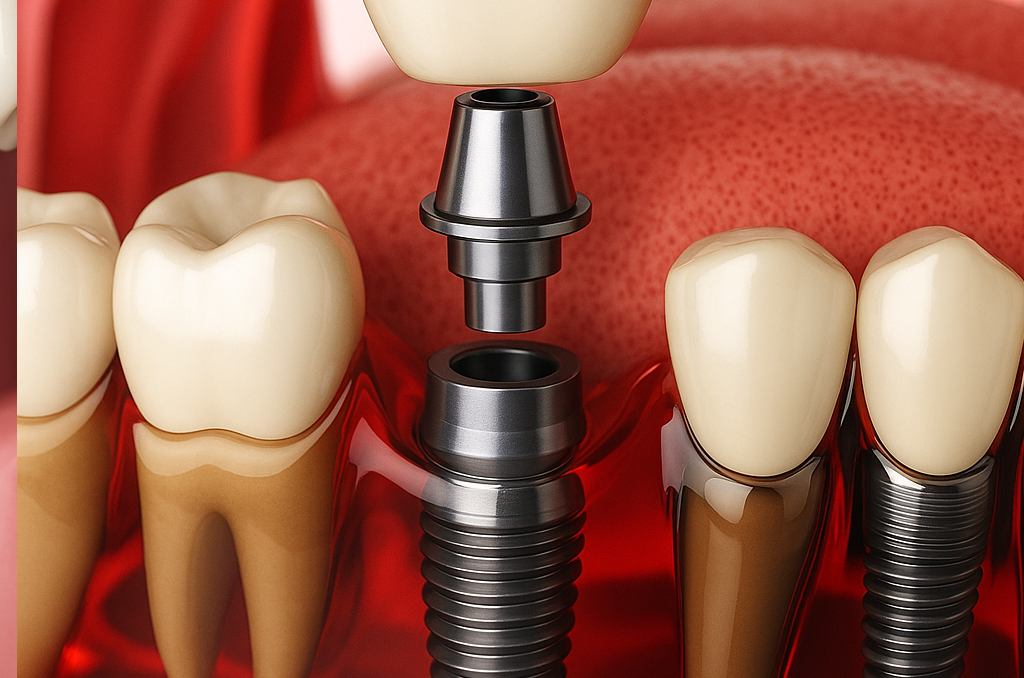
Zirconia Implants: Innovation in Modern Dentistry
In recent years, advancements in
dental implant technology have increased the popularity of
zirconia implants. But what are zirconia implants, what are their advantages, and why should they be preferred? In this article, we will examine the characteristics of zirconia implants and their significance in dentistry in detail.
What is a Zirconia Implant?
Zirconia implants are artificial tooth roots made from zirconium dioxide, used to replace missing teeth.
Zirconia is a biocompatible, durable, and aesthetically pleasing material. Developed as an alternative to traditional titanium implants, these implants are ideal for patients seeking long-term stability and natural-looking results.
Advantages of Zirconia Implants
Zirconia implants stand out with their groundbreaking features in modern dentistry. Here are the key
benefits of zirconia implants:
- High Durability: Zirconia is highly resistant to fractures, especially in the implant neck area, where breakage issues are common.
- Tissue-Friendly: Zirconia integrates excellently with gum tissue and bone, ensuring long-term compatibility and extending the implant’s lifespan.
- Superior Aesthetics: Zirconia implants blend well with porcelain crowns, offering a natural tooth-like appearance.
- Ideal for Narrow Bone Structures: Especially suitable for patients with thin lower jawbones, making it a great choice for narrow implants.
Why Choose Zirconia Implants?
Zirconia implants offer high success rates in both short and long-term outcomes. Thanks to zirconia’s durability, complications seen in traditional implants are minimized. Additionally, patients concerned with aesthetics achieve a natural look.
Zirconia implants are particularly recommended in the following cases:
- Desire for a more natural and aesthetic appearance
- Patients with thin or narrow bone structures
- Long-term durability and stability needs
- Those who prioritize gum and bone health
History of Dental Implants and the Rise of Zirconia
Dental implants have been used in dentistry for about 50 years. This treatment method gained popularity in Turkey in the 2000s, enhancing dentists’ professional reputation and reducing unlicensed technician work. Initially, success rates of implants were around 50%, making long-term results uncertain. Over time, both
short and long-term performance of implants began to be assessed. In this evolution, zirconia implants emerged as a breakthrough in terms of durability and stability.

What Makes Zirconia Different?
Traditional implants sometimes suffer from neck fractures or bone detachment over time. Zirconia implants eliminate such issues, providing
long-term success. Furthermore, zirconia’s tissue-friendly nature enhances compatibility with surrounding bone and gum tissue.
Cost of Zirconia Implants
Zirconia implants are slightly more expensive than titanium implants. This is due to the more complex production process and fewer manufacturers. However, many brands are increasingly investing in zirconia implant production. Considering the long-term advantages, zirconia implants are a worthwhile investment.
Zirconia implants stand out in modern dentistry with their durability, aesthetic benefits, and tissue compatibility. They are an ideal solution for patients seeking a long-lasting and natural-looking replacement for missing teeth. If you’re looking for a permanent and reliable dental solution, zirconia implants are worth considering.